Tunisia, a North African country with a rich history and diverse cultural heritage, offers a fascinating blend of influences from Arab, Berber, Ottoman, and French traditions. This cultural mosaic is evident in various aspects of Tunisian life, including clothing, food, arts and crafts, the film industry, and the economy.
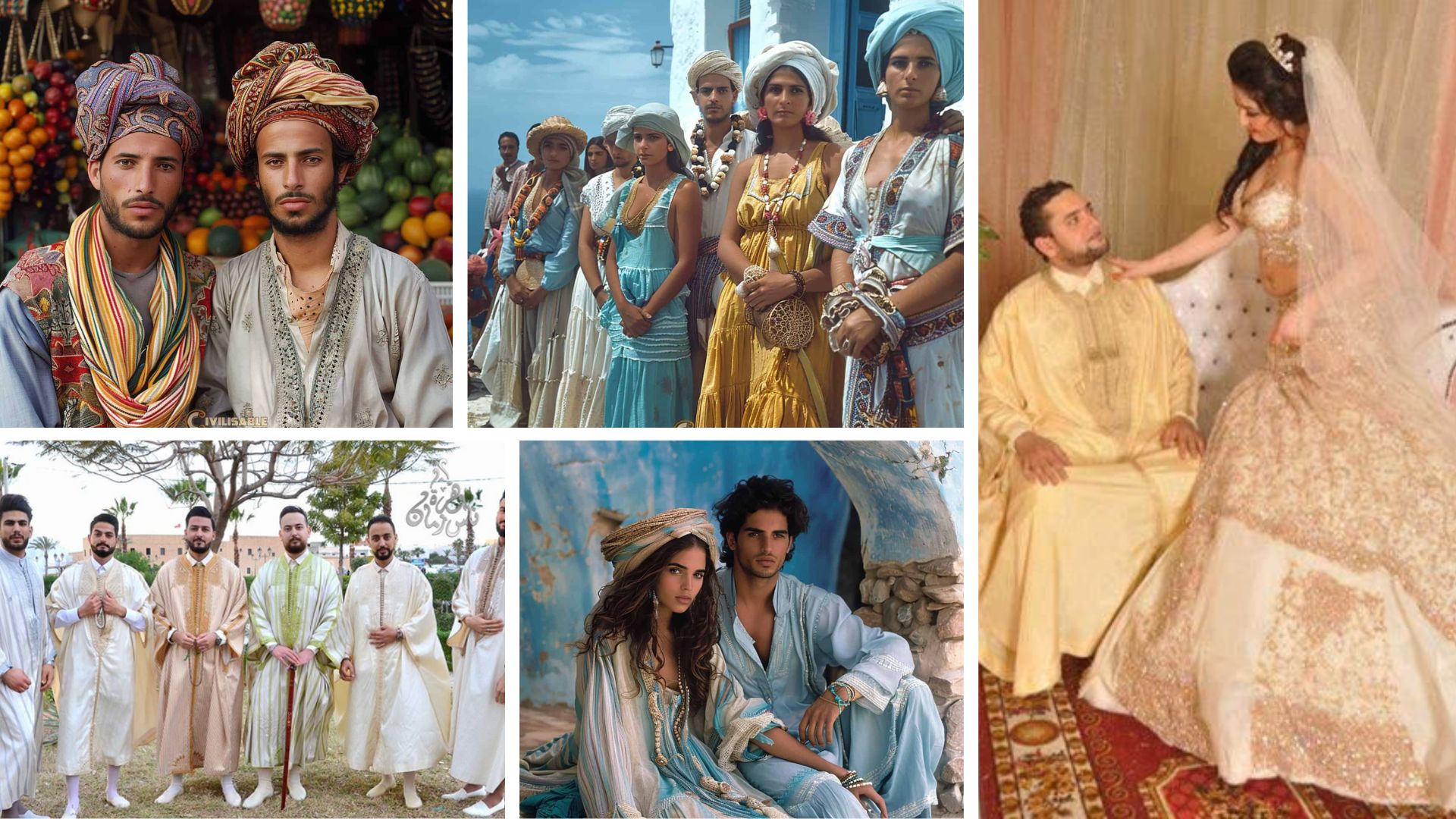
Tunisia Clothing
Traditional Tunisian clothing varies significantly by region, reflecting the country's diverse cultural influences. In rural areas, women often wear the "safsari," a large white or beige shawl that covers the body and head, while in urban areas, the "jebba," a long, flowing robe, is more common for men. These garments are often adorned with intricate embroidery and made from high-quality materials like silk and wool. The "blouza," a richly embroidered top, and the "m'laya," a large piece of fabric used as a veil, are also traditional clothing items worn during special occasions and festivals.
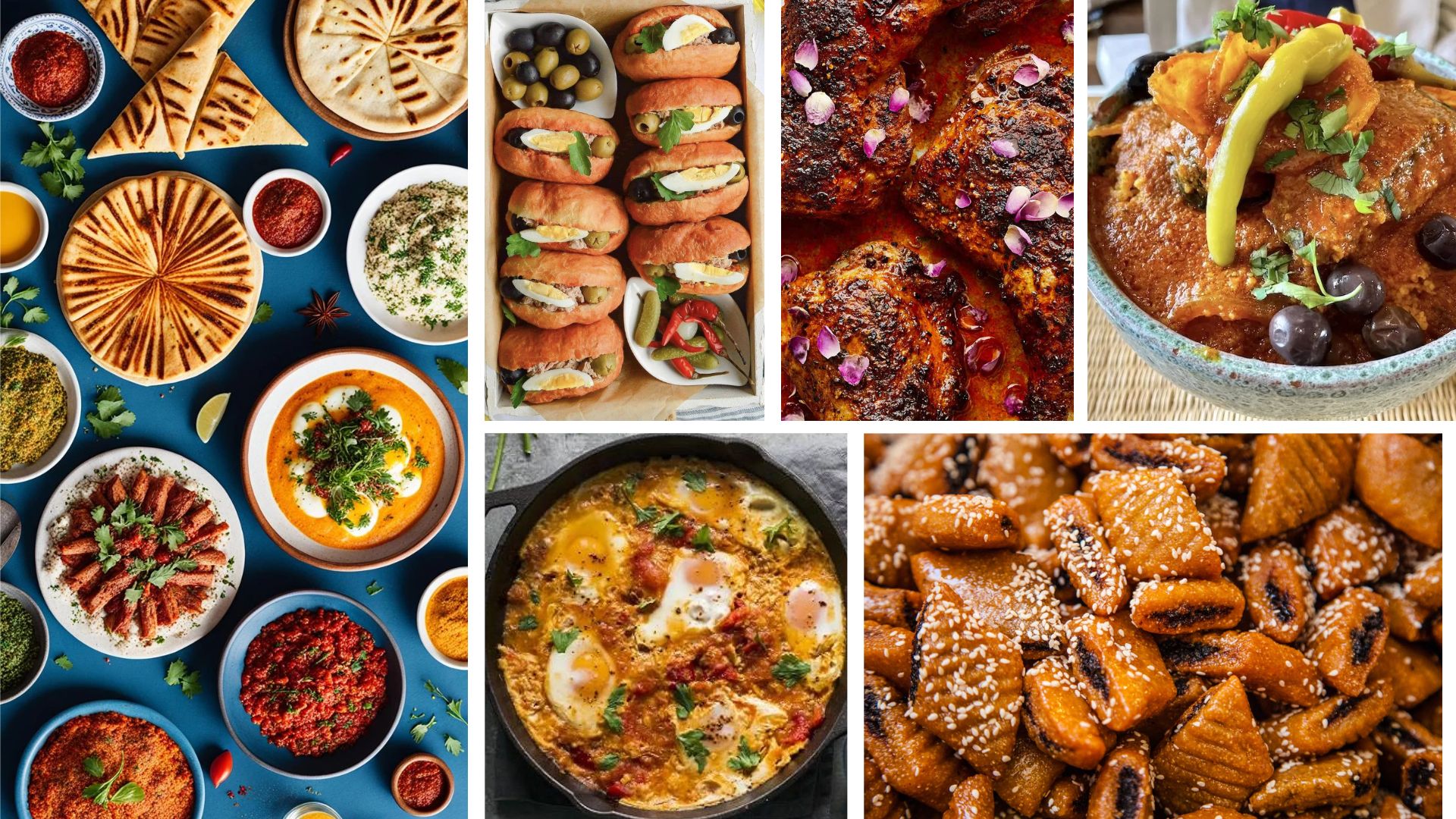
Tunisia Food
Tunisian cuisine is a tantalizing blend of Mediterranean and Arab flavors, characterized by the liberal use of spices and fresh ingredients. Staples include couscous, a semolina dish often served with lamb, chicken, or fish, and "brik," a deep-fried pastry filled with egg, tuna, and capers. Harissa, a hot chili pepper paste, is a ubiquitous condiment that adds a fiery kick to many dishes. Other popular foods include "lablabi," a chickpea soup spiced with cumin and garlic, and "tajine," a hearty stew made with meat and vegetables. Tunisian sweets, like "baklava" and "makroud," made from dates and semolina, are enjoyed during festive occasions.
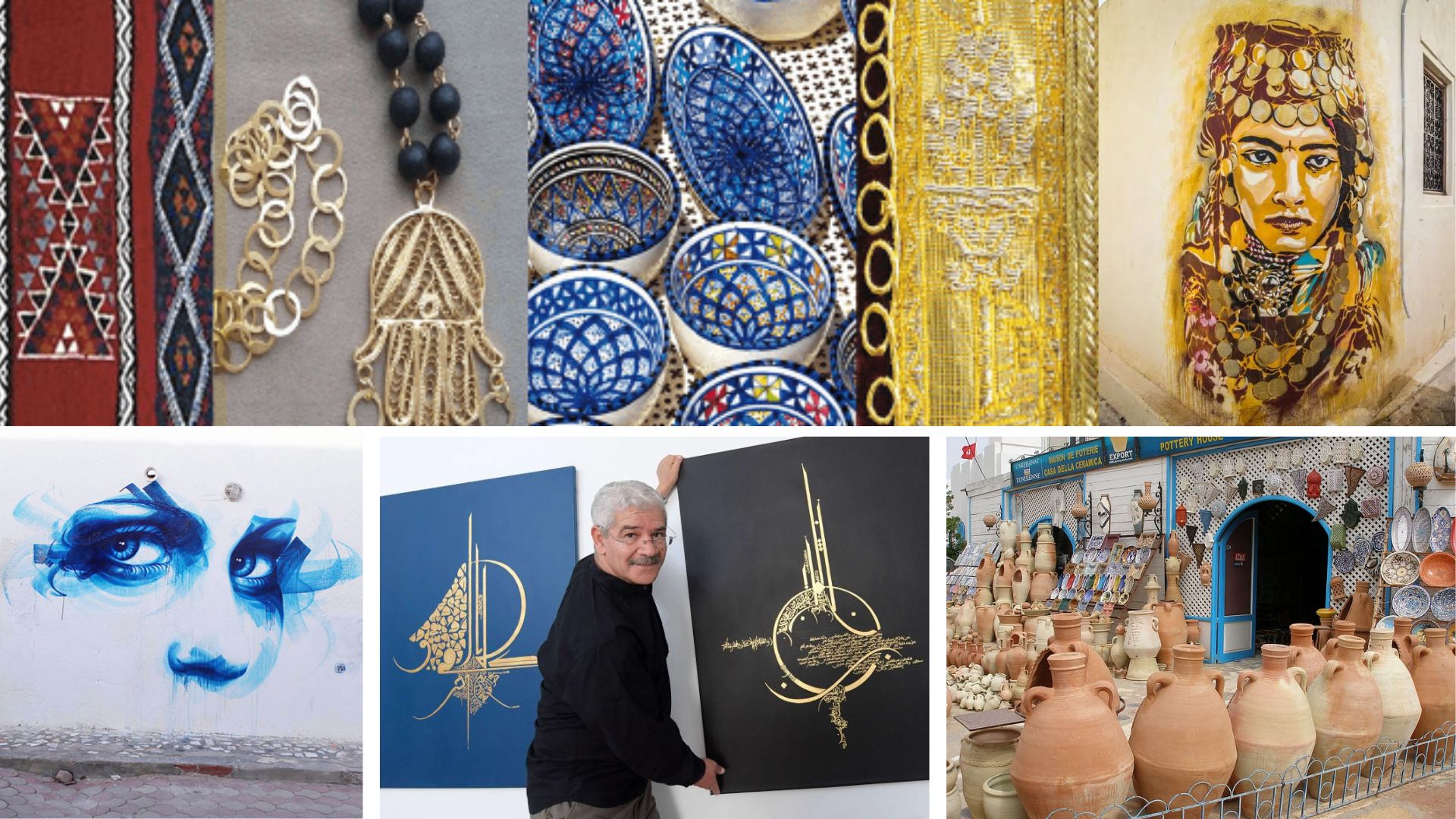
Tunisia Arts and Crafts
Tunisia boasts a rich tradition of arts and crafts, with artisans producing exquisite ceramics, textiles, and leather goods. The town of Nabeul is famous for its pottery, characterized by intricate geometric patterns and vibrant colors. Weaving is another significant craft, with traditional Berber rugs, known for their bold designs and vibrant hues, being highly prized. Leatherworking is also prominent, with items like belts, bags, and shoes often featuring detailed embossing and decorative stitching. Tunisian jewelry, particularly silver and gold pieces adorned with semi-precious stones, reflects the country's blend of Arab and Berber influences.

Tunisia Film Industry
Tunisia's film industry, though small, has gained international recognition for its quality and originality. The country's cinematic history dates back to the 1920s, with the establishment of the first Tunisian film company. Since then, Tunisian filmmakers have produced a range of works that explore social, political, and cultural themes. Notable films include "The Silences of the Palace" by Moufida Tlatli and "Halfaouine: Boy of the Terraces" by Férid Boughedir. The Carthage Film Festival, one of the oldest film festivals in Africa, showcases both Tunisian and international films, highlighting the country's vibrant cinematic culture.

Tunisia Economy
Tunisia's economy is diverse, with key sectors including agriculture, mining, manufacturing,
and tourism. The country's fertile soil and favorable climate make it a significant producer
of olive oil, dates, and citrus fruits. Phosphate mining is another crucial industry,
contributing significantly to Tunisia's exports. The manufacturing sector is diverse,
encompassing textiles, clothing, automotive parts, and electronics. Tourism is also a vital
component of the economy, with the country's Mediterranean beaches, ancient ruins, and
vibrant markets attracting millions of visitors each year. Despite facing challenges such as
political instability and unemployment, Tunisia continues to strive for economic growth and
development.
Textile and Garment Industry, Mining, Telecommunications
Tourism, Financial Services, Manufacturing, Agriculture, Renewable Energy.